
Dental Articles - Etobicoke
Direct Billing Explained: How We Minimize Out-of-Pocket Costs for Etobicoke Families
Posted by Village Dental on Thu, 8 Oct 2026
New to direct billing? Learn how Village Dental in Etobicoke submits insurance claims at your visit, what to bring as a new patient, and how we help families understand out-of-pocket costs.
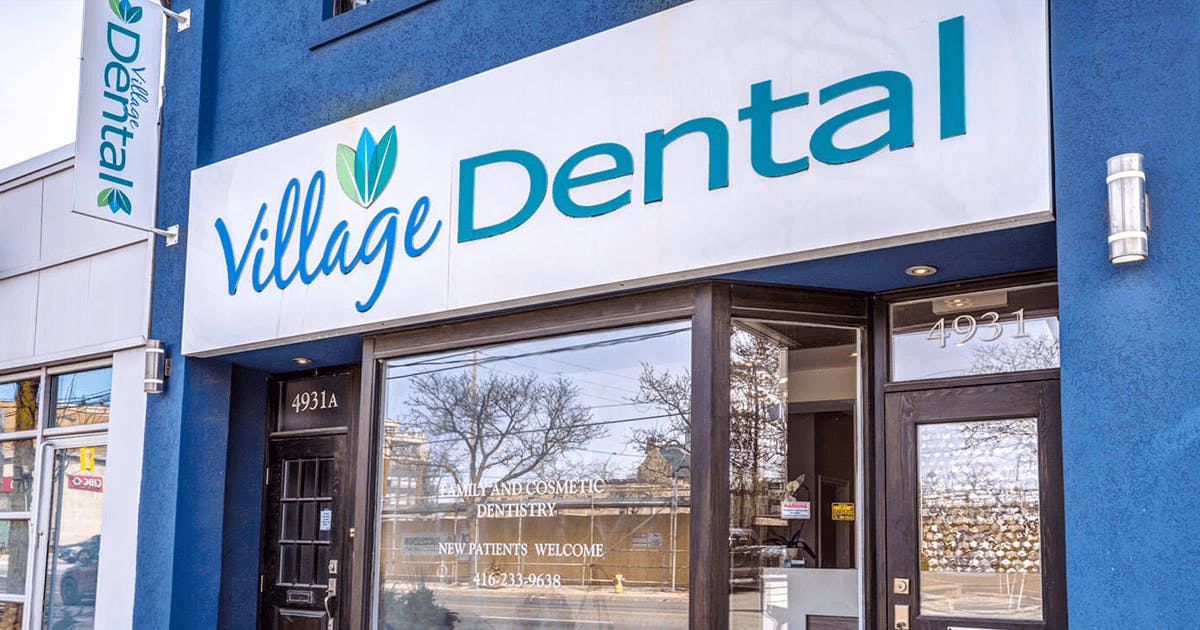
Switching dentists or bringing your family to a new office in Etobicoke often comes with practical questions about insurance—not just whether a plan is accepted, but how and when you will pay. Direct billing is one of the most helpful tools for many patients, because it can reduce the amount you pay upfront and simplify the claims process after your appointment.
If you are comparing offices or booking your first visit, this guide explains what direct billing means, how it works at Village Dental, and what you can do as a new patient to make checkout smoother for everyone in your household.
What Is Direct Billing?
Direct billing (sometimes called “assignment of benefits”) means your dental office submits your treatment claim to your insurance company electronically at the time of your visit. When your plan approves the claim, the insurer pays its covered portion directly to the dental office. You are typically responsible for any remaining balance—such as a co-payment, deductible, or services not covered by your plan—rather than paying the full fee and waiting for reimbursement.
Not every dental practice offers direct billing, and not every insurance plan allows it for every procedure. Coverage rules, annual maximums, and waiting periods are set by your insurer. Our role is to help you understand how your plan may apply to recommended care and to process eligible claims when your plan permits assignment of benefits.
Why Direct Billing Matters for Etobicoke Families
Households often juggle multiple schedules, school activities, and shared insurance benefits. Direct billing can make dental care easier to manage in several ways:
- Less upfront cash flow pressure when a significant portion of a visit is covered by insurance
- Fewer reimbursement forms to mail or upload after each appointment
- Clearer same-day totals when we can confirm how much your plan paid toward the visit
- Easier planning for follow-up treatment, because you have a clearer picture of your out-of-pocket share
Direct billing does not eliminate costs—it helps you see them sooner and pay only your portion when coverage applies. That clarity pairs well with the estimates we provide before planned treatment whenever possible.
How Direct Billing Works at Your Appointment
While details vary by insurer, a typical visit with direct billing follows a familiar pattern:
- Check-in: You provide current insurance information (card, policy number, plan member ID, and the primary policyholder’s details if you are a dependent).
- Verification: Our team checks eligibility when your plan allows electronic verification. This step helps us anticipate coverage, though it is not a guarantee of payment.
- Treatment: Your dentist or hygienist completes the agreed-upon care, documented with standard dental procedure codes your insurer uses to process claims.
- Claim submission: We submit the claim electronically for eligible plans.
- Checkout: You pay any patient portion not covered by insurance, using the payment methods our office accepts. For a summary of policies and payment options, see our Financial Arrangements page.
Sometimes an insurer responds immediately; other times processing takes longer. If a claim is adjusted after your visit, we will contact you to explain any balance remaining. Final benefit payments are always determined by your insurance provider.
What New Patients Should Bring
Arriving prepared helps your first appointment stay focused on your oral health instead of paperwork. Please bring:
- Your dental insurance card or mobile app details for each family member being seen
- Photo ID
- A list of medications and relevant medical history
- Previous dental records or recent X-rays if you have them (we can also request them with your permission)
- CDCP or government program information, if applicable
You may complete our new patient forms online before you arrive to save time at the front desk. If you are unsure how your plan handles dependents, call your insurer’s member services line before your visit—they can confirm coordination of benefits when two parents have separate plans.
Understanding Your Out-of-Pocket Portion
Insurance rarely covers every service at 100%. Common reasons you may still owe a balance include:
- Annual maximums that have been reached partway through the benefit year
- Deductibles or co-insurance percentages defined by your plan
- Procedures classified as elective or not included in your contract
- Frequency limits (for example, how often a plan pays for certain cleanings or X-rays)
- Pre-authorization requirements for larger treatment plans
Before starting non-urgent treatment, we aim to provide an estimate that separates expected insurance coverage from your estimated patient portion. Estimates are based on the information available at that time; they are not a promise of what your insurer will pay. For a broader look at how we communicate fees and estimates, read our article on transparent cost breakdowns for new patients.
Direct Billing and the Canadian Dental Care Plan (CDCP)
Patients enrolled in the Canadian Dental Care Plan (CDCP) may have different billing steps than traditional private insurance. Coverage depends on your CDCP category, the services rendered, and program rules in effect at the time of treatment.
When you book, tell us you are a CDCP participant so we can guide you through eligibility and any patient portion that may apply. As with private plans, we explain recommended care and expected costs before proceeding with planned treatment when possible.
When Direct Billing May Not Apply
There are situations where you may need to pay in full at the visit and submit a claim yourself, or where coverage cannot be confirmed in advance. Examples include:
- Plans that do not allow assignment of benefits to the dental office
- Expired or inactive policies
- Certain out-of-province or international plans with different submission rules
- Emergency care where immediate treatment is prioritized and detailed insurance verification follows afterward
Our team will explain your options at checkout. Paying out of pocket does not mean you lose coverage—you may still receive reimbursement from your insurer according to your plan’s rules.
Tips to Maximize Your Benefits as a New Patient
A few habits can help your family use dental benefits effectively throughout the year:
- Schedule preventive visits early in the benefit year so cleanings and exams are less likely to bump against December deadlines.
- Ask about staging treatment if a larger plan approaches your annual maximum—you may choose to spread care across benefit years when clinically appropriate.
- Keep insurance information updated when employers change plans at renewal time.
- Ask questions before you agree to treatment—our article on essential questions to ask your dentist includes prompts about costs and coverage.
If you are new to the area or returning to regular dental care, our guide on what to expect at your first visit covers the clinical side of your appointment from check-in to follow-up.
Ready to Register Your Family?
Direct billing is one part of making dental care accessible for busy Etobicoke households. Combined with clear estimates, fee guide compliant pricing, and a team that walks you through insurance details, it can help you focus on healthy smiles instead of administrative stress.
Book online or call us at 416-233-9638 to register as a new patient. We welcome questions about your plan before your appointment—just ask when you schedule.
Dentist Etobicoke
